Sit on the sofa and you sink toward the frame. Getting up takes a hand on the armrest and some commitment. The fabric looks fine, the frame does not creak, and yet the chair feels ten years older than it is. In most cases, the problem is neither the frame nor the cover. It is the foam inside the cushion, which has been quietly collapsing a fraction at a time with every sit.
In Pineville, foam replacement is the least glamorous job in upholstery and often the most satisfying one, because it restores how furniture sits without changing how it looks. Here is what is happening inside the cushion, and what waiting does to it.
Why foam gives up
Cushion foam is a network of cells that compress under weight and spring back. Every sit breaks a few of those cell walls. Heat, humidity, and body oils speed the process, and the center of the seat, where weight concentrates, breaks down years before the edges. The result is the familiar dish shape: firm at the front rail, sunken in the middle. Once a large share of cells in that zone have collapsed, the foam cannot spring back no matter how much you fluff, rotate, or steam the cushion. Fluffing redistributes loose fill in a back cushion. It does nothing for a seat core whose structure is gone.
Density and firmness are the two numbers that describe foam, and they are not the same thing. Density, given as weight per cubic foot, predicts how long the foam lasts, because denser foam has more material in its cell walls. Firmness, measured by how much weight it takes to compress the foam by a set amount, predicts how it feels on day one. A soft foam can be dense and long-lasting; a firm foam can be low-density and short-lived. Cheap original cushions often pair high firmness with low density, which is why a sofa can feel supportive in the showroom and sag within a few years.
What waiting costs the rest of the chair
A collapsed cushion does not fail alone. Sitting deeper changes the angle of your back against the backrest, so back cushions compress unevenly and their seams take stress they were not cut for. The seat fabric, no longer fully supported, creases and folds in the sunken zone, and repeated folding in the same lines wears the fabric through faster than flat use would. On a two-cushion sofa, people migrate to the better cushion, which wears it out at double speed. There is also a frame effect: weight that foam used to spread across the seat rails concentrates at fewer points. None of this happens in a month. It is the arithmetic of a small problem given several years, and it is why a foam swap done early is a cushion job, while the same neglect later becomes foam, fabric, and padding work together.
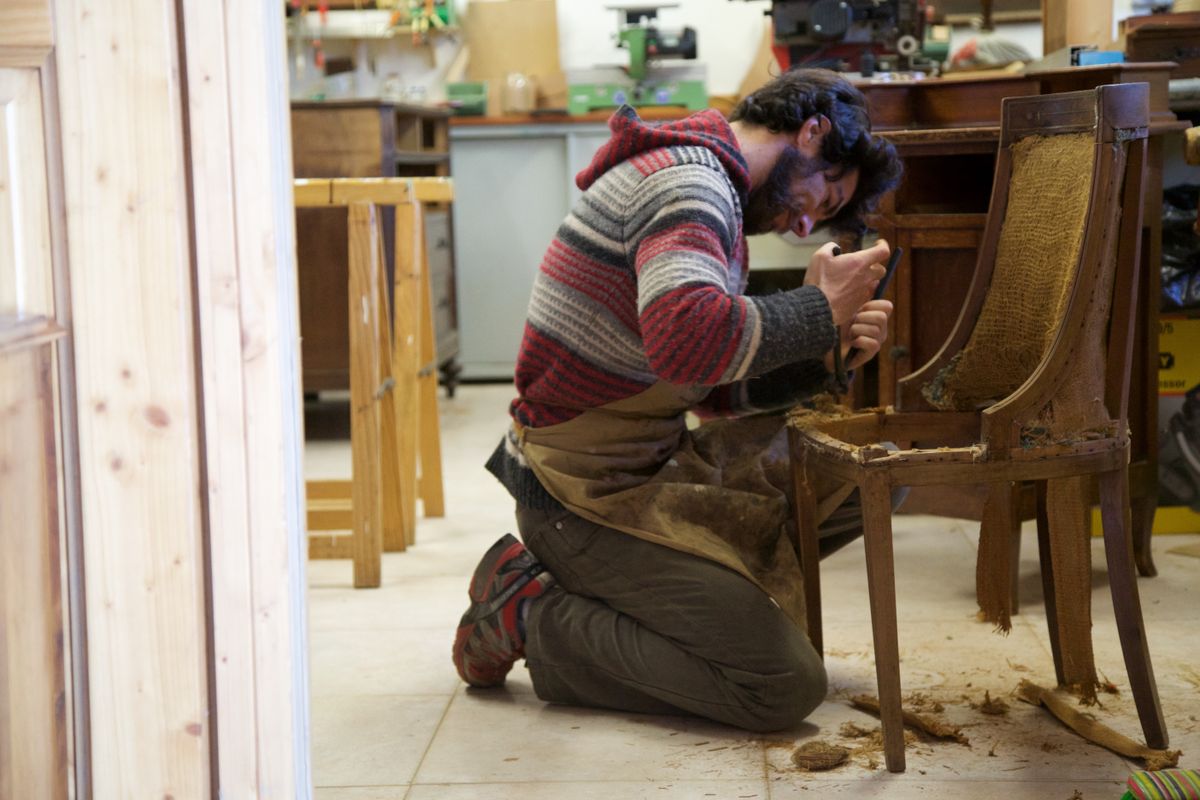
What a foam swap actually involves
The cushion cover is opened, the old core comes out, and a new core is cut to the same dimensions, usually wrapped in a layer of soft polyester fiber that gives the cushion its crown and keeps the fabric from wrinkling over hard foam edges. The cover goes back on, and the seat sits at its original height with its original support. If the fabric has stretched over years of sagging, there can be some looseness, and a shop should tell you that up front rather than after. This is core work listed plainly as cushion replacement and bench seats at shops like Davis Upholstery Shop, and it applies to dining chairs and bar stools too, where thin pads compress to board-hard surprisingly fast.
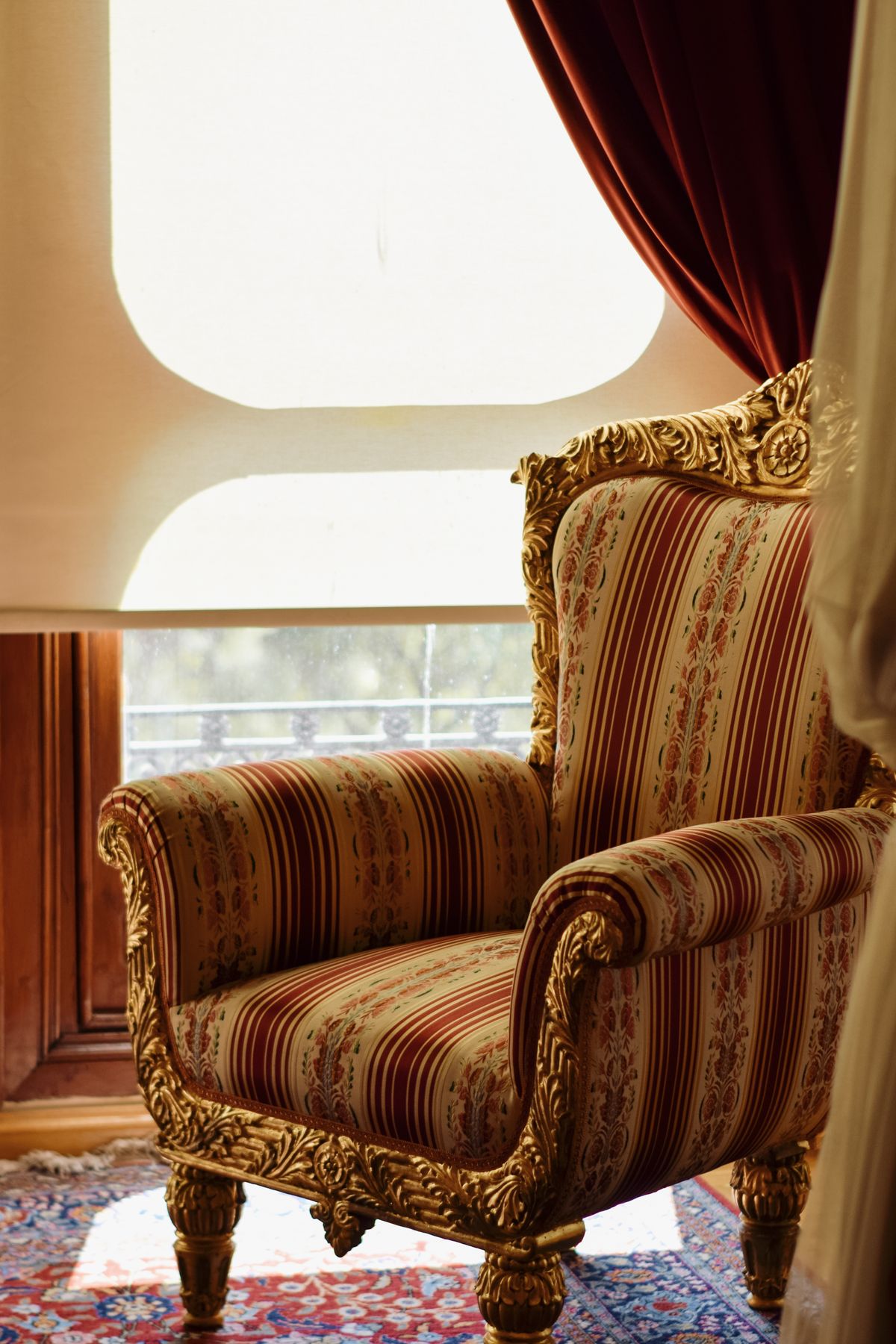
Testing your own cushions
Two quick checks separate foam failure from other problems. First, swap the suspect cushion with one from a less-used seat. If the sag follows the cushion, it is the foam; if it stays with the spot, look at springs or webbing underneath. Second, unzip the cover and look at the core. Foam that is yellowed, crumbly at the edges, or visibly dished in the middle has told you everything. Healthy foam is even in color, springs back when squeezed, and holds its shape on a flat surface. If both checks point at the core, the fix is contained, and it is one of the few furniture repairs where the before-and-after is obvious the first time you sit down.
Common questions
Can I replace cushion foam myself?
For a simple rectangular cushion with a zippered cover, many people do. Shaped, tufted, or attached bench seats are harder, since the core must be cut and wrapped precisely to avoid lumps and loose fabric.
How long should replacement foam last?
Longer than the original, if you choose a higher density than the factory used. Lifespan depends on daily use and the weight it carries, which is why density, not firmness, is the number to ask about.
Should I replace foam in all the cushions at once?
Usually, yes for matching seats on the same piece. Cushions of the same age have similar wear, and replacing one leaves a noticeable height and firmness difference beside its neighbor.
Photos in this guide are representative stock images.
← All guides from Davis Upholstery Shop← Back to Davis Upholstery Shop