Every year around the start of the school-and-holidays stretch, the same Pineville living rooms reach the same conclusion: the sofa fabric has lost. Juice, dog hair worked into the weave, a cushion corner chewed in puppy season, and sunlight from the front window have done their combined work. Re-covering in the fall makes practical sense, since the piece is back before the heavy indoor months. But the fabric choice is the whole game, and the terms on the sample tags are not written for normal people.
Here is the translation, plus what actually matters when the household includes kids and animals.
Double rubs, in plain terms
The number on many fabric tags, often listed as Wyzenbeek double rubs, comes from a machine that rubs the fabric back and forth until it shows wear. It is a durability score, nothing more mysterious than that. Light-use fabrics sit at the low end and belong on a decorative pillow or a chair nobody sits in. Everyday residential upholstery generally wants a mid-range score or better, and households with pets and kids should shop toward the higher end of residential, where the weave survives claws catching, grit ground in by shoes, and repeated cleaning without thinning.
Two cautions about the number. First, it measures abrasion only. It says nothing about stain resistance, fading, or whether hair vacuums off easily. Second, an extremely high score paired with a stiff, plastic feel is a real trade-off on a family sofa. The goal is durable and still comfortable to sit on in shorts.
Performance fabric: what the label is claiming
Performance fabrics are engineered so spills sit on the surface instead of soaking straight in, giving you time to blot. Many are solution-dyed, meaning the color runs through the fiber, so cleaning, even vigorous cleaning, does not strip the color the way it can on printed fabric. For a house with a toddler and a dog, that combination, stain resistance plus colorfastness, is worth more than any other feature on the tag.
Weave matters alongside chemistry. Tight, flat weaves are the pet-friendly choice for three reasons: claws have nothing to snag and pull into loops, hair sits on top where a vacuum or damp glove picks it up, and dirt cannot work deep between fibers. Loose weaves, nubby textures, and anything with loops are claw traps. Leather and quality faux leather also work well with animals since hair wipes off, though cat claws can puncture rather than snag, which is a different problem entirely.
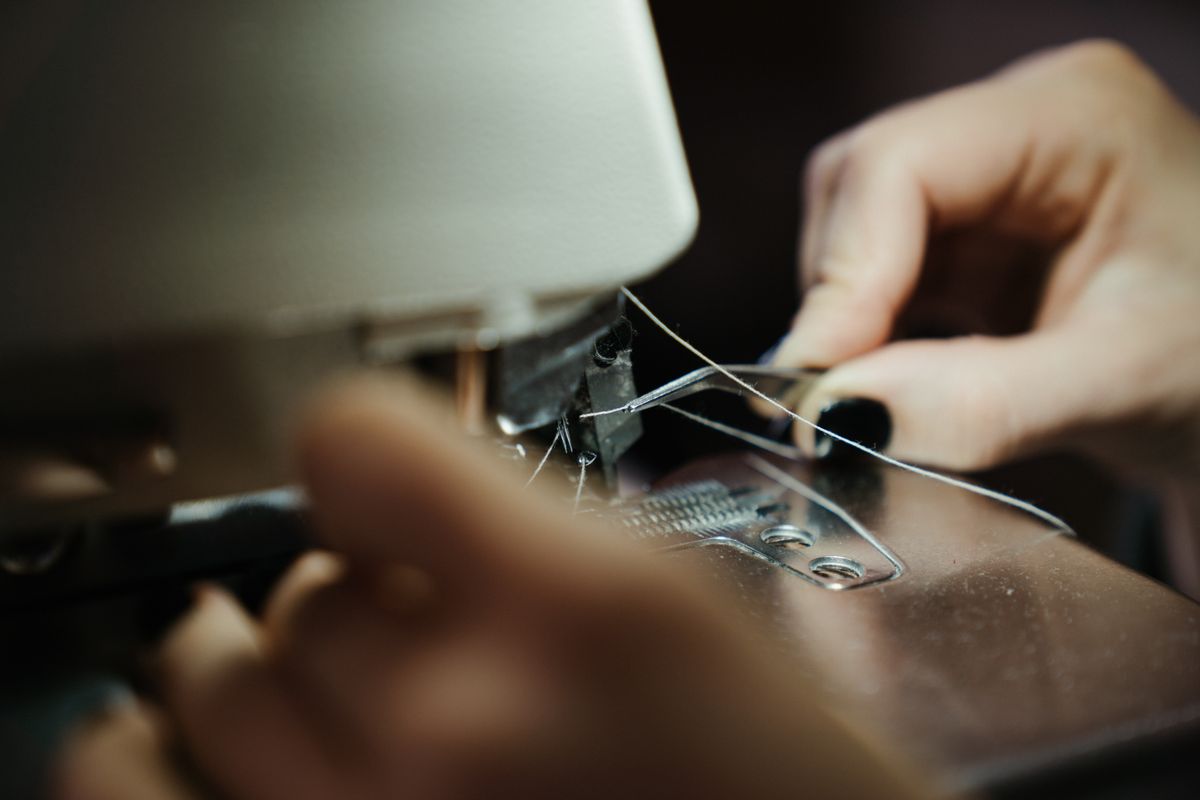
The pet-and-kid fabric checklist
- Double rub count in the higher residential range, not light or decorative grade
- Tight, flat weave with no loops for claws to catch and pull
- Solution-dyed or performance finish, so spills blot up and cleaning does not fade the color
- A pattern or heathered texture that hides hair and minor marks between cleanings
- Removable cushion covers or a fabric rated for regular cleaning, for the inevitable big spill
- A rub test in the shop: scratch the sample with a fingernail and check nothing snags or lifts
- Extra yardage ordered at the same time, from the same dye lot, for a future cushion repair
Pattern is a practical choice, not just taste
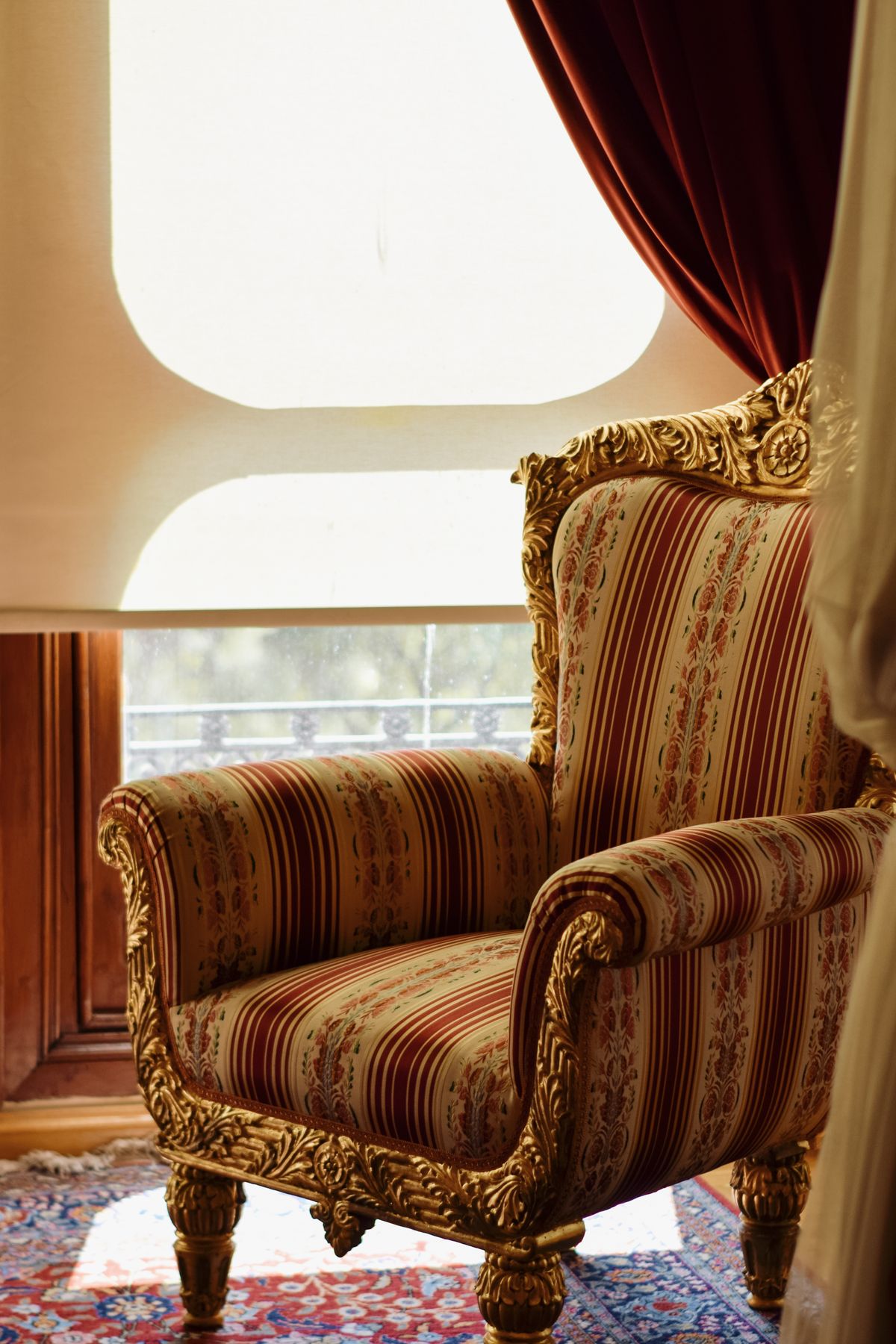
On a hard-used family piece, pattern is camouflage. A small-scale pattern, a heathered blend, or a subtle texture hides pet hair, crumbs, and the faint outline of a cleaned spill far better than a solid light color, which shows everything at conversational distance. Solids in mid-tone colors are the workable compromise if pattern is not your taste. What to avoid in this household: pale solids that document every event, and very dark solids that show light pet hair and dust just as faithfully. Pattern repeat, the size of the design motif, also affects cost in material terms, since large repeats need extra yardage to match across cushions. Your shop will calculate it, but expect a big bold pattern to use more fabric than a small one.
Timing the job around the household
Fall re-covering has one more advantage beyond the calendar: it follows summer, when sunscreen, sweat, and pool towels do their worst to fabric, so you are not putting a new cover into the harshest season on day one. While the piece is at the shop, it is also the moment to deal with the cushions themselves. New performance fabric over collapsed foam gives you a sofa that looks right and sits wrong, and foam work is cheapest when the cover is already off. Shops like Davis Upholstery Shop handle cushion replacement alongside reupholstery for exactly that reason.
Common questions
What double rub count should a family sofa have?
Shop the higher end of residential ratings rather than light-use fabric. The exact number matters less than pairing a strong rating with a tight weave and a cleanable, colorfast finish.
Is microfiber a good choice with dogs?
Often, yes. Its tight, short pile releases hair well and resists claw snags. Check the cleaning code on the specific fabric, since some microfibers are water-cleanable and others are solvent-only.
Can I just use outdoor fabric indoors?
You can, and many families do. Solution-dyed acrylics handle spills and fading well indoors. The trade-off is hand feel, which is firmer than most indoor fabrics, so sit on a sample first.
Photos in this guide are representative stock images.
← All guides from Davis Upholstery Shop← Back to Davis Upholstery Shop